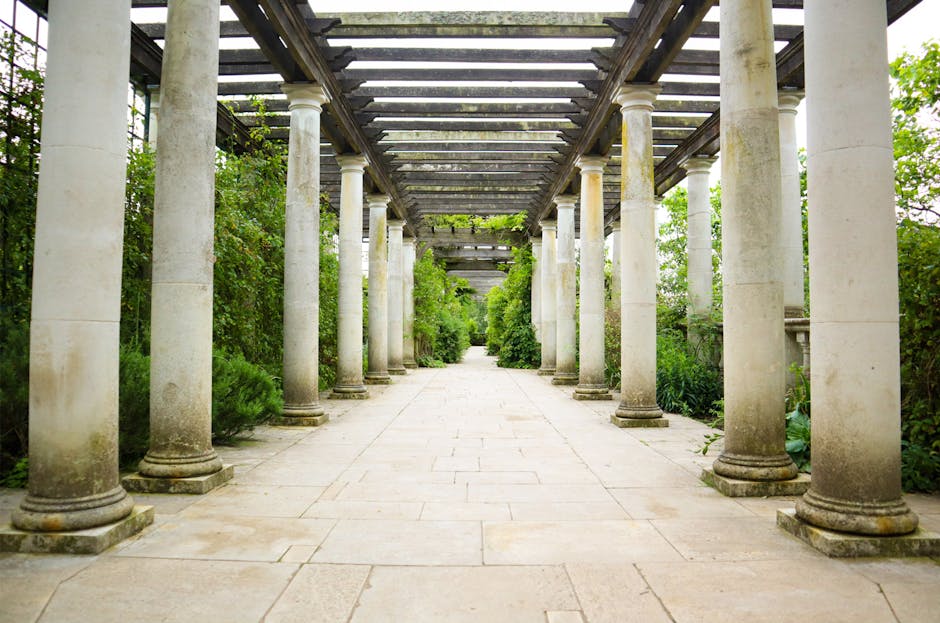
Chiswick House garden maintenance experts for listed properties
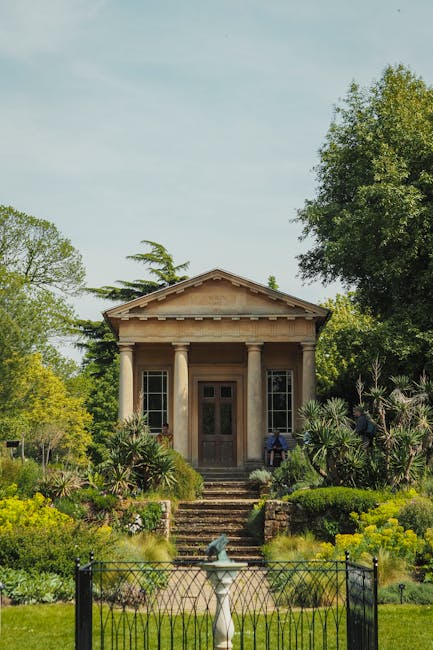
If you manage a listed garden in Chiswick, you already know it is not just "garden work". It is care, restraint, and a fair bit of judgement. The wrong cut, the wrong material, or even the wrong timing can change the feel of a space that has taken decades or centuries to settle into itself. That is why Chiswick House garden maintenance experts for listed properties are so valuable: they understand how to keep a formal or historic garden healthy without stripping away character.
In practice, that means routine upkeep done with an eye for heritage detail, seasonal rhythm, and the expectations that come with protected properties. It also means knowing when to tidy, when to leave well alone, and when a more careful approach is needed. Let's face it, a listed garden can look deceptively simple from the path, but underneath there is often a lot going on.
This guide breaks down what specialist maintenance involves, why it matters, how it works, and what to look for when choosing the right team. You will also find a practical checklist, a clear comparison table, and answers to the questions people ask most often.
Why Chiswick House garden maintenance experts for listed properties Matters
Listed properties and their gardens ask for a different mindset. You are not simply maintaining grass, hedges, trees, and beds; you are safeguarding a designed setting. In places like Chiswick, where historic houses and formal landscapes carry real visual and cultural weight, the wrong maintenance pattern can make a garden look tired very quickly, or worse, subtly damage its structure over time.
Specialist maintenance matters because historic gardens often rely on proportion, symmetry, and controlled growth. A hedge left too long can change the line of a terrace. A tree allowed to drift can block key views. A clearance done too aggressively can remove the soft layers that make a garden feel settled rather than stripped back. People often assume "tidy" means "safe". Not always. In listed settings, tidy has to be balanced with continuity.
There is also the matter of responsibility. Owners, managing agents, and property custodians usually need a team that respects the site, documents what is done, and works in a way that supports long-term upkeep rather than short-term presentation. That is where experienced garden maintenance support becomes more than a convenience. It becomes part of preserving the place.
For properties that combine landscaped grounds, mature planting, lawns, hedges, and timber features, a coordinated approach often works best. A team that can handle hedge trimming, lawn mowing, and broader landscaping can keep the whole garden reading as one coherent space rather than a patchwork of jobs. That coherence matters more than people think. You notice it the moment you step outside with a cup of tea on a damp morning and the garden either feels calm, or it doesn't.
How Chiswick House garden maintenance experts for listed properties Works
Good listed-garden maintenance usually begins with a site review. Not a rushed walk-round. A proper look at access, planting structure, hedge lines, tree condition, drainage, lawn health, seasonal pressure points, and any areas that are particularly sensitive. Older gardens often have little quirks: a border that dries out by noon, a path edge that becomes muddy after rain, or a yew hedge that needs a gentler trim schedule than the neighbour's modern evergreens.
From there, the work is planned around the property's needs rather than a one-size-fits-all routine. In many cases, that means a maintenance cycle that includes:
- regular hedge and shrub shaping
- careful lawn care and edging
- deadheading, pruning, and selective tidy-ups
- leaf removal and light clearance
- monitoring for overgrowth, disease, and seasonal stress
- adjusting timing so nesting periods, flowering windows, or display periods are not unnecessarily disrupted
In a listed setting, the team may also coordinate around access restrictions, neighbours, event dates, or property management rules. A small example: if a formal frontage needs to look immaculate for guests on Friday afternoon, the maintenance schedule may need to be pulled forward slightly so cuttings, mowing lines, and edging all settle in before then. It sounds minor. It really isn't.
The best teams also understand how to communicate clearly. They should explain what they are doing, what they are not doing, and why. If some areas are better left untouched until the right season, they should say so plainly. If a tree or hedge raises a safety concern, that needs to be raised carefully and honestly. For more extensive tidy-up work, a combination of garden clearance and routine maintenance can be the sensible route, especially when a property has been left unattended for a while.
Key Benefits and Practical Advantages
There are the obvious benefits first: the garden looks better, feels healthier, and is easier to manage. But with listed properties, the practical advantages run deeper than appearance.
- Heritage sensitivity: Maintenance respects the original design intent and avoids unnecessary disruption.
- Better long-term condition: Steady upkeep usually prevents bigger problems from building up quietly in the background.
- Cleaner presentation: Formal gardens depend on lines, balance, and restraint. Small details matter.
- Reduced risk: Trained teams can identify weak branches, trip hazards, hidden debris, or overgrown access routes before they become a headache.
- More predictable costs: Regular maintenance is often easier to plan than emergency tidy-ups after months of neglect.
- Better communication with stakeholders: Property owners, managers, and residents often appreciate clear records and sensible recommendations.
There is also a subtle but important emotional benefit. A well-kept listed garden feels cared for. Visitors notice it immediately, even if they cannot explain why. The borders look intentional. The pathways feel inviting. The whole place feels watched over. That matters in premium residential settings, and it matters for conservation-minded properties too.
If your grounds include timber structures, terraces, or garden features that need coordinated upkeep, it can help to keep maintenance joined up with other property services. In some cases, decking services and general garden care work better together than separately, because edges, drainage, and access points all influence each other. Simple enough, but easy to overlook.
Who This Is For and When It Makes Sense
This kind of specialist service is ideal for people who are responsible for gardens where appearance, history, and ongoing condition all matter. That includes private owners, trustees, managing agents, and anyone looking after a listed or heritage-style property where casual maintenance would simply not be enough.
It makes particular sense if you are dealing with any of the following:
- a formal garden that needs precise, regular shaping
- mature planting beds that cannot be cut back heavily without consequence
- hedges or trees that affect sightlines, access, or the character of the property
- an inherited garden with old routines that need updating
- seasonal pressure around events, viewings, or guest use
- a garden that has become overgrown and needs careful recovery rather than a hard reset
It is also worth considering if you are unsure where the line sits between maintenance and improvement. That is a common grey area. For example, if a border needs rebalancing or a pathway area would benefit from better structure, that may drift into landscape gardening or broader planning. A good team should be able to separate routine upkeep from design-led changes, so you are not accidentally signed up for more disruption than you wanted.
To be fair, many people only realise they need specialist help once the garden starts asking for attention in too many places at once. The hedges are up. The lawn is patchy. The back corner is full of leaves. The front view is a bit off. That is usually the moment to step back and bring in a structured approach.
Step-by-Step Guidance
If you are arranging maintenance for a listed garden, the process is much smoother when it follows a sensible order. Here is the practical version.
- Assess the garden properly. Walk the site and note the condition of hedges, trees, lawns, borders, and access routes. Photograph anything that looks uncertain.
- Clarify the priority areas. Decide what must be kept neat every visit and what can be handled seasonally. Not every part of the garden needs the same frequency.
- Set the maintenance scope. Be clear on trimming, mowing, leaf collection, light pruning, clearance, and whether any planting or improvement work is included.
- Check access and sensitivities. Make sure the team knows about narrow paths, protected surfaces, fragile features, nearby residents, or quiet hours.
- Agree on timing. Formal gardens often benefit from maintenance that tracks the seasons rather than arbitrary monthly visits.
- Use the right level of intervention. A listed property usually needs controlled, selective work, not aggressive cutting.
- Review after each visit. Check that the site looks balanced, not overdone. Small adjustments are easier than large corrections.
A simple rule helps here: start with preservation, then move to presentation, and only then consider enhancement. It keeps decision-making tidy and avoids the "we may as well change this too" trap. That trap is expensive, and a little sneaky.
Where a garden has become cluttered or blocked by waste, cuttings, or old growth, a planned clean-up can help reset the site. In those cases, a careful garden clearance before routine maintenance often produces the best long-term result. Clear first. Then maintain. It sounds obvious. In real life, it often gets reversed.
Expert Tips for Better Results
Over the years, one thing becomes clear: the best listed-garden maintenance is usually the quietest. Not invisible, but quiet. It avoids drama. It respects the garden's shape. It leaves people feeling that the space has simply been looked after properly.
- Keep a seasonal rhythm. Hedges, lawns, and borders each have their own pace. Do not force them all into one rigid schedule.
- Trim for shape, not just size. A good hedge cut protects line and density as much as it reduces bulk.
- Leave room for health checks. It is not enough to make things look neat; the team should also spot dead wood, compaction, poor drainage, or disease symptoms.
- Protect historic features during work. Use careful movement around stone, brick, gravel, and old timber. Those surfaces can be more fragile than they look.
- Build a light-touch improvement list. Some issues can wait; some cannot. Make a note after each visit.
One practical habit I always like: keep before-and-after notes, even if they are brief. A few photos and a short record can make future decisions much easier. You start spotting patterns. The yew hedge always needs attention earlier than expected. The shady lawn goes soft in late autumn. The left border likes a little more air. Tiny things, but they add up.
If tree work is part of the picture, get it handled with care and only where appropriate. Mature trees can shape the whole feel of a listed property, so any intervention should be measured. For situations where branches are unsafe, obstructive, or structurally compromised, a specialist tree lopping and removal approach may be necessary, but only after proper assessment. No rush. Trees have long memories, if you like.
Common Mistakes to Avoid
Listed gardens are easy to get wrong when the focus is only on speed or short-term neatness. The most common mistakes are usually avoidable.
- Over-cutting hedges and shrubs. Hard cuts can damage shape, thin growth, and change the garden's visual balance.
- Ignoring seasonality. Some work is best delayed; some work is best done promptly. Both can be true.
- Using a generic garden routine. A standard suburban schedule is rarely enough for heritage settings.
- Skipping site checks. If nobody is reviewing what is happening, small problems become visible problems.
- Mixing maintenance and redesign. People often confuse improvement with preservation, and then the brief gets muddy.
- Leaving waste or clippings behind. On a refined property, even small bits of debris stand out. Quite a lot, actually.
Another common issue is under-communicating. If the garden team does work that matters to access, views, or appearance, the property owner or manager should know what was done and why. A short explanation can save a lot of confusion later. Nobody enjoys staring at a changed border wondering whether it was intentional.
Finally, do not assume a tidy finish means a healthy garden. Sometimes it is just tidy. Health takes a little longer to judge.
Tools, Resources and Recommendations
For listed properties, the tools matter less than the care behind their use. Still, the right equipment helps keep the work precise and consistent.
- Hand tools for detail work: useful around delicate planting, edges, and older features where machine use may be too blunt.
- Well-maintained cutting equipment: important for hedge and shrub work that needs clean, even results.
- Leaf collection and waste control tools: help keep paths, gravel, and lawn surfaces clear without leaving a mess behind.
- Protective materials for sensitive surfaces: worth using around historic paving, timber, and compacted soil.
- Planning notes or maintenance logs: simple, low-tech, and genuinely useful.
As a practical recommendation, match the maintenance level to the garden's purpose. A formal frontage, for example, may need more regular attention than a quieter rear area with naturalistic planting. Not every part of the site has to be polished to the same degree.
If you are comparing providers, look beyond the headline service list. A useful team should be able to explain how they work, how they protect the site, and how they manage safety. Pages such as insurance and safety and health and safety policy give a good sense of whether a company takes responsibility seriously. That matters on sensitive properties, even if it is not the glamorous part of the conversation.
For broader company context, it can also help to read the about us page and see whether the tone, services, and standards feel aligned with the kind of property you manage. A garden of this type should not be treated like a quick turnaround job. If the company seems to get that, you are on the right track.
Law, Compliance, Standards, or Best Practice
With listed properties, compliance is part of the picture even when the day-to-day work feels quite practical. The exact requirements can vary depending on the site, the nature of the work, and the property's status, so it is wise to treat this area carefully rather than casually.
In the UK, listed buildings and their settings often require a more cautious approach to alteration and maintenance than ordinary residential gardens. Minor upkeep is usually very different from significant change, and the line between the two is not always obvious at first glance. If you are unsure, check before work begins. That is the safe habit.
Best practice usually includes:
- keeping interventions proportionate to the condition of the garden
- avoiding unnecessary disturbance to historic fabric or established planting
- recording what has been done, especially where the property has multiple stakeholders
- using qualified judgment for trees, hedges, and long-established shrubs
- working with care around protected surfaces, boundaries, and access routes
There is also a basic duty of care around safety. Tools, access, waste handling, slips, trips, and cuts all need sensible management. Reputable contractors should have clear procedures and be comfortable discussing them. If they are vague about safety, that is a red flag. Not a dramatic one, just a practical one.
For a trust-building perspective, it is worth checking the company's wider policies too. Information on recycling and sustainability can show how cuttings and waste are handled, while payment and security can help reassure property managers about the commercial side of the relationship. Little details, but on a formal property, little details are often the point.
Options, Methods, or Comparison Table
Different gardens need different levels of intervention. The right method depends on the property's condition, usage, and heritage sensitivity. Here is a simple comparison that helps narrow it down.
| Method | Best for | Strengths | Watch-outs |
|---|---|---|---|
| Routine maintenance | Gardens already in good order | Keeps presentation consistent, prevents build-up | Needs regular scheduling and review |
| Selective seasonal work | Historic gardens with strong planting structure | Respects growth cycles and visual balance | Requires judgement and planning |
| Light clearance plus maintenance | Areas with accumulated debris or soft overgrowth | Resets the site without overworking it | Can expose deeper issues that still need attention |
| Broader landscaping support | Gardens needing structural improvement | Helpful where access, layout, or planting needs change | May go beyond maintenance and require more approvals |
In many cases, the sweet spot is a mix of routine maintenance and occasional targeted work. That gives you consistency without making the garden feel over-managed. A little breathing room is healthy, even for formal spaces.
Case Study or Real-World Example
Here is a realistic example, not a dramatic one. A listed property with a front formal garden and a quieter rear lawn had started to feel uneven. The front hedges had grown a bit loose, the lawn edge was fading into the path, and the rear planting had become tangled after a mild, wet spell. Nothing was ruined. It just looked tired.
The first step was a calm review of the site. The work plan separated areas that needed immediate attention from areas that only needed gentle adjustment. The hedges were trimmed back to re-establish line without stripping them bare. The lawn was cut, edged, and cleared. Fallen material was removed. The rear borders were lightly opened up so air and light could reach the plants again. No overreach, no heroic reshaping. Just proper garden care.
What changed most was not one flashy improvement, but the overall feeling of control. The front regained its form. The rear felt usable again. Most importantly, the garden still felt like itself. That is the bit people sometimes miss. Good maintenance should protect identity, not override it.
A few weeks later, the owners noticed something else: because the site had been brought back under control, small jobs were easier to spot and schedule. That is a quiet benefit, but a big one. Once the garden is back in rhythm, everything else gets simpler.
Practical Checklist
Use this checklist before, during, or after arranging maintenance for a listed garden.
- Confirm the property's listed status and any site-specific sensitivities.
- Walk the garden and note the priority areas.
- Decide what is routine maintenance and what is a separate improvement.
- Check hedge, lawn, tree, and border condition.
- Ask how the team handles waste, access, and surface protection.
- Agree the visit timing around seasonality and property use.
- Make sure the scope includes clear communication after the work.
- Keep a basic record of what was done and when.
- Review whether the garden still looks balanced, not just tidy.
- Plan the next visit before the garden drifts too far again.
Expert summary: the best listed-property maintenance is measured, seasonal, and well-communicated. It preserves the garden's character while keeping it healthy enough to thrive. That balance is the whole game, really.
Get a free quote today and see how much you can save.
Conclusion
Chiswick House garden maintenance experts for listed properties do more than keep things neat. They help protect the feel, function, and long-term condition of gardens that carry heritage value and everyday use at the same time. That is a tricky balance, and it deserves thoughtful hands.
If you are responsible for a listed garden, the best next step is simple: look for a team that listens carefully, works with restraint, and understands that preservation and presentation are not the same thing. When those two are handled well, the whole property benefits. The garden becomes easier to enjoy, easier to manage, and easier to trust.
And honestly, that peace of mind is worth a lot on its own.
Frequently Asked Questions
What makes garden maintenance different on a listed property?
It needs more caution and judgement. The goal is to preserve character, avoid unnecessary disruption, and keep the garden healthy without changing its historic feel.
How often should a listed garden be maintained?
That depends on the planting, layout, and use of the property. Many gardens work best with regular light maintenance and seasonal attention rather than heavy, occasional intervention.
Can hedges be cut hard on a listed property?
Sometimes, but usually only with care and good reason. Over-cutting can damage shape, reduce density, and make a formal garden look blunt rather than refined.
Do I need specialist help for mature trees and shrubs?
Yes, if they affect safety, views, structure, or the character of the site. Mature planting often needs a more considered approach than standard domestic garden work.
Is garden clearance the same as garden maintenance?
No. Garden clearance is usually a reset job, while maintenance is ongoing care. In some cases, clearance comes first, then a maintenance schedule follows.
What should I ask a maintenance provider before booking?
Ask how they approach listed properties, how they protect sensitive surfaces, how they manage waste, and how they communicate after the visit. Clear answers are a good sign.
Can a maintenance team also help with landscaping?
Yes, if the property needs more than routine upkeep. A team can often advise when a site is drifting from maintenance into more structured landscape gardening or improvement work.
How do I know if the work is too aggressive?
If the garden suddenly looks stripped, flat, or unbalanced, the intervention may have gone too far. Good maintenance should leave the garden looking settled, not shocked.
What happens if the garden has been neglected for a while?
A sensible provider will usually start with a careful assessment and a staged plan. The idea is to restore control without overwhelming the garden in one go.
Should I choose a company that talks about safety and insurance?
Absolutely. On a listed property, safety, liability, and careful working practices matter just as much as the visible finish. It is sensible to check these details early.
Can regular maintenance help reduce costs over time?
Often, yes. Small, consistent jobs are usually easier to manage than letting a garden drift and then paying for a larger recovery later.
How do I get started with a quote?
Take a few photos, note the key concerns, and share the priorities clearly. If you are ready to compare options, start with pricing and quotes and then discuss the site in more detail. A calm conversation goes a long way.
For any reader who is still weighing things up, the main thing to remember is this: a listed garden rewards patience. Treat it with care, and it tends to give that care back in the best possible way. Quietly, and for a long time.