Best gardeners near Chiswick High Road for small gardens
If you live near Chiswick High Road, you already know the charm of the area: compact town gardens, narrow side returns, a few patio pots, and not much room for mistakes. That is exactly why finding the best gardeners near Chiswick High Road for small gardens matters. A small garden can look effortless from the street, but getting it to feel calm, tidy, and genuinely usable takes a very specific kind of skill.
In a smaller outdoor space, every plant choice, cut line, and paving decision has outsized impact. One overgrown shrub can swallow a border. One poorly placed planter can make a courtyard feel cramped. The right gardener understands scale, light, drainage, and maintenance in a way that suits London living. They also know when to keep things simple. Lets face it, sometimes the smartest garden design is the one that stops you from fighting the space every weekend.
This guide covers what to look for, how small-garden services work, the practical benefits, common mistakes, and the best way to choose a local gardener who can make a tight space feel polished rather than crowded. You will also find a realistic checklist, a comparison table, and answers to the questions people actually ask before they book.
Table of Contents
- Why this matters for small gardens near Chiswick High Road
- How local small-garden gardening services work
- Key benefits and practical advantages
- Who it is for and when it makes sense
- Step-by-step guidance
- Expert tips for better results
- Common mistakes to avoid
- Tools, resources and recommendations
- Law, compliance, standards and best practice
- Options and comparison table
- Case study or real-world example
- Practical checklist
- Conclusion
- Frequently asked questions
Why Best gardeners near Chiswick High Road for small gardens Matters
Small gardens are deceptive. They look simple, but they are often harder to get right than larger plots. There is less room for trial and error, less space to hide uneven edges, and less tolerance for clutter. A local gardener who works regularly in and around Chiswick High Road will usually understand the practical realities of London gardens: awkward access, shared boundaries, shaded corners, container-heavy planting, and neighbours close enough to notice every change.
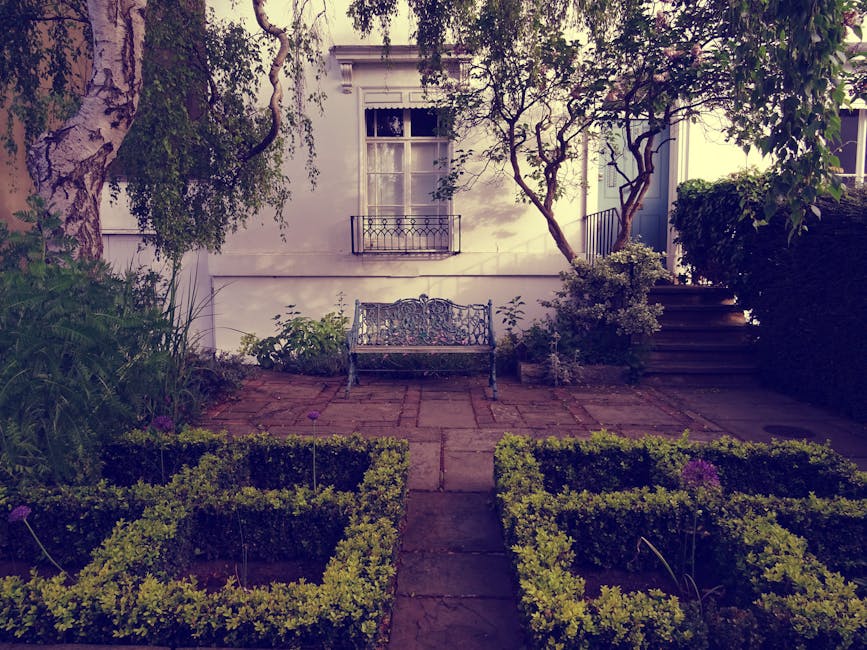
That local understanding matters because small gardens depend on proportion and restraint. A gardener who is used to larger suburban plots may overdo it, filling the space with too many features. By contrast, a good small-garden specialist will think in layers: vertical planting for privacy, clean hard landscaping, manageable planting schemes, and layouts that make the garden feel open even when it is compact.
There is also the matter of upkeep. Small gardens can become messy surprisingly fast. One week of rain, a burst of growth, and suddenly the path is slimy, the pots are thirsty, and the lawn edges look like they have had a rough time. A skilled gardener near Chiswick High Road should be able to keep that under control without turning your outdoor space into a high-maintenance project.
If you are comparing wider home and garden support, it can help to look at broader service pages such as garden maintenance and more specific seasonal work like hedge trimming. Small gardens often need both, just in a much more measured way.
How Best gardeners near Chiswick High Road for small gardens Works
In practice, a good small-garden service starts with observation. The gardener should look at the site before reaching for tools. Where does the sun fall? Which areas stay damp? Are there views worth framing, or eyesores worth softening? What does the garden need most: structure, planting, tidy-up work, or a maintenance rhythm that keeps things from slipping?
For small spaces, the first visit often includes a mix of planning and immediate improvement. A practical gardener may prune back overgrowth, reset edges, clear dead material, improve containers, and remove visual clutter. Sometimes a few careful cuts make more difference than a full redesign. Truth be told, the first result you notice is often not a dramatic transformation but a sense of breathing room.
Then there is the longer-term approach. Small gardens work best when maintenance is regular and fairly light. Weekly or fortnightly visits may be more useful than occasional heavy work, especially if the space has fast-growing climbers, herbaceous borders, or a lawn that needs close attention. A gardener should be able to suggest a routine that matches the garden, not just sell you more visits.
For clients who want design input as well as upkeep, it is worth exploring whether the gardener offers planning help, planting advice, or coordination with landscaping work. Some projects also benefit from services like fencing for privacy, or patio cleaning if the hard surfaces are doing most of the visual work.
Key Benefits and Practical Advantages
The obvious benefit is a tidier garden. But with small spaces, the real value goes deeper than that. The right gardener can make the whole home feel better. A neat courtyard or tiny lawn outside the kitchen window changes how the space is used. You step outside more often. You notice the morning light. The garden becomes part of daily life instead of a place you avoid.
Here are the practical gains that matter most:
- Better use of limited space - small gardens benefit from careful zoning and less visual noise.
- Cleaner lines - well-defined edges make a compact space feel more intentional.
- Lower maintenance stress - regular care prevents the usual overwhelm that comes with quick growth.
- Healthier planting - good gardeners know how to avoid crowding, poor drainage, and plant competition.
- More privacy without bulk - smart screening can soften views without making the garden feel boxed in.
- Better year-round appearance - structure matters more in small gardens, especially in winter.
Another advantage is consistency. In a tiny garden, even small neglect is obvious. A few untended weeds or a hedge gone shaggy can shift the whole feel of the space. Ongoing care keeps the garden looking considered, which is what most homeowners actually want, even if they would not say it like that.
Expert summary: in small London gardens, the best results usually come from restraint, repetition, and regular maintenance. Not from cramming in more features. More often than not, less really is more.
Who This Is For and When It Makes Sense
This kind of gardening service is a good fit if you live in a flat with a courtyard, a terraced house with a narrow rear garden, a townhouse with a small front garden, or a compact outdoor area that has become difficult to manage. It is also a strong option if you want the garden to look presentable without spending your own weekends pruning, sweeping, and re-potting.
It makes particular sense in a few everyday situations:
- You have inherited a garden that feels overgrown or awkwardly laid out.
- You want the garden to look good for entertaining but do not need a full redesign.
- You are preparing to sell or rent and need the outside space to photograph well.
- You have limited time and want a dependable maintenance schedule.
- You like gardening in theory, but the actual hedge has other ideas.
Small gardens also benefit from specialist help after building work, tenant changes, or long gaps without care. Even a compact space can become surprisingly tired after a few seasons of neglect. A local gardener can often bring it back to life without the cost or disruption of a major landscaping project.
If your outdoor area is part of a larger home improvement plan, a useful next step may be browsing services like turfing and lawn replacement or planting design. These are often more relevant to small spaces than people realise.
Step-by-Step Guidance
If you want to choose wisely, it helps to treat the process like a small project rather than a quick booking. That keeps things calm and reduces the chance of paying for work that does not actually suit the space.
1. Define the main problem
Start by deciding what bothers you most. Is it overgrowth, poor layout, lack of privacy, tired planting, or the general feeling that the garden has no shape? You do not need a perfect brief, but you do need a starting point.
2. Measure the space and note the light
Small gardens depend heavily on light levels and dimensions. A sunny south-facing patio behaves very differently from a shaded north-facing strip. If you can, note where the sun lands during the day, what gets wet after rain, and which corners always look bare.
3. Ask for small-garden experience
Not every gardener is equally good at compact plots. Ask directly whether they regularly work on small urban gardens, courtyards, front gardens, and terrace spaces near Chiswick High Road. That one question can save you a lot of mismatch.
4. Discuss maintenance, not just appearance
A garden that looks lovely in week one but is impossible to maintain by week four is not a win. Ask how often the planting will need pruning, what will need feeding or deadheading, and whether the layout suits your level of care.
5. Check access and logistics
Small gardens often come with awkward access through a house, side return, or shared entrance. Good gardeners will want to know about this before arriving. It sounds mundane, but it shapes the whole job.
6. Agree the scope in writing
Even for a one-off tidy-up, it helps to confirm what is included. For example: pruning, weed removal, lawn edging, container refresh, green waste removal, or a post-work clean-up. Small jobs can become fuzzy fast if nobody is clear.
7. Review the result after the first visit
Look at how the garden feels, not just how it looks. Can you move through it easily? Does it feel lighter? Is the planting balanced? Would it be easier to live with next month, not just this week?
Expert Tips for Better Results
Small gardens reward discipline. That is the honest truth. They look best when the design is edited, not embellished to death.
Here are a few practical tips that make a real difference:
- Use vertical space carefully. Wall climbers, trellises, and slim planters can create depth without eating into floor space.
- Choose a limited plant palette. Repeating a small number of plants creates calm. Too much variety can make the garden feel busy.
- Prioritise structure. Evergreen shrubs, clipped forms, or simple edging give a small garden shape even in winter.
- Keep hard surfaces clean. In a small space, a mossy patio or dirty paving shows quickly.
- Think in sightlines. What you see from the kitchen window matters as much as what you see standing in the garden.
- Plan for easy maintenance. If you hate deadheading, say so. A good gardener can work around that.
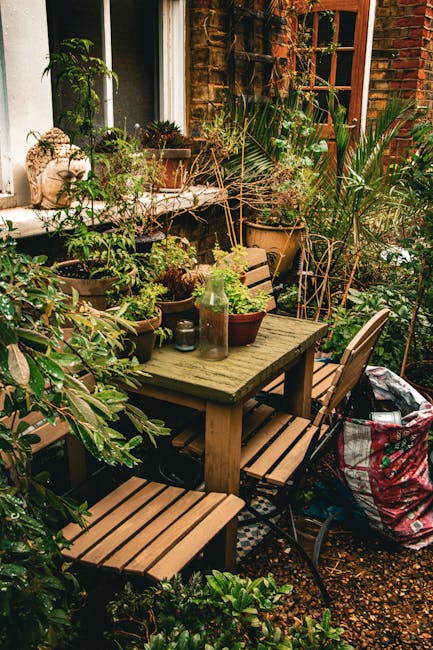
One useful habit is to build in a little breathing room. Not every patch needs planting. Not every corner needs a feature. Sometimes the best improvement is simply to give the eye somewhere to rest. A small gravel area, a clean path, or a single well-placed pot can do more than another layer of stuff. A bit brutal maybe, but true.
It can also help to choose plants for performance rather than novelty. In compact London gardens, reliability usually beats drama. This is especially useful if you are also arranging support from a plant maintenance service or trying to keep things manageable with seasonal visits.
Common Mistakes to Avoid
The most common mistake is overfilling the space. People buy too many plants, too many pots, too many decorative extras. Then the garden loses flow. It happens all the time. You can almost hear the space sigh.
Other mistakes are more subtle:
- Ignoring shade and moisture - a plant may look great at the nursery and still be wrong for your garden.
- Choosing plants that grow too large - small gardens need controlled scale.
- Skipping regular pruning - in compact spaces, delay has a bigger visual cost.
- Using bulky furniture - oversized seating can make a garden feel cluttered.
- Forgetting drainage - standing water is a real issue in many London gardens.
- Not checking waste removal - a tidy-up is not complete if bags of clippings are left behind.
There is also a timing mistake people make in spring. They wait until everything has exploded into growth and then try to control it all at once. Better to stay ahead of it. A light touch in March or April can save you from a much bigger job later.
Another small but important point: do not assume a garden should be low maintenance just because it is small. Some compact spaces are actually high maintenance because they contain lots of layered planting or container displays. The size of the garden and the workload are not the same thing. Not even close.
Tools, Resources and Recommendations
For a small garden, a gardener does not need heavy machinery. The best kit is usually precise, neat, and suited to working around tight corners and delicate planting.
Useful tools and materials often include:
- sharp secateurs for clean pruning cuts
- lightweight shears for shaping and tidying
- hand forks and trowels for container work
- border knives or edging tools for crisp lines
- watering cans or targeted irrigation for pots and beds
- quality mulch to help retain moisture and suppress weeds
- slimline storage or concealed bins if the garden doubles as a utility space
For homeowners, the best resource is often a clear garden brief. Even a simple note on your phone can help: what you want kept, what you dislike, what must stay, and how much maintenance you are realistically willing to do. That saves time and helps the gardener make better decisions on site.
If you are comparing broader service options, pages such as lawn care, leaf clearance, and garden clearance can be useful depending on whether your small garden needs routine care or a one-off reset.
Law, Compliance, Standards and Best Practice
For most small domestic gardens, there is no complicated compliance process. Still, a trustworthy gardener should work in line with accepted UK best practice. That includes safe use of tools, sensible handling of waste, respect for neighbours, and care around shared boundaries and access routes.
If the work involves green waste removal, check that it will be taken away responsibly rather than dumped informally. If there are nearby fences, walls, or shared paths, ask how the gardener protects them during pruning or clearance. In a dense area near Chiswick High Road, that practical courtesy matters. Noise, timing, and access can become neighbour issues quicker than people expect.
It is also reasonable to ask about insurance, especially for any work involving ladders, height, power tools, or hard landscaping. A reputable gardener should be able to discuss this calmly and without fuss.
If a project crosses into bigger structural work, such as retaining walls, substantial paving, or drainage changes, the standards and permissions may shift. At that point, the gardener may advise bringing in the right specialist. That is a good sign, not a bad one. It means they understand the limits of the job.
Options, Methods, or Comparison Table
Not every small garden needs the same kind of help. Some need a one-off rescue. Some need light but regular upkeep. Others need thoughtful redesign with a maintenance plan built in from the beginning. Here is a simple comparison to help you decide what fits best.
| Option | Best for | Typical strengths | Possible drawback |
|---|---|---|---|
| One-off tidy-up | Overgrown or neglected small gardens | Fast visible improvement, good for resetting the space | Does not solve underlying layout or planting issues |
| Regular maintenance visits | Busy homeowners who want consistency | Keeps borders, pots, and edges under control | Less suitable if the garden needs a bigger rethink |
| Planting refresh | Gardens that look flat or tired | Improves colour, texture, and seasonal interest | Requires some ongoing care |
| Small-space redesign | Gardens with poor flow or awkward use of space | Can transform how the garden feels day to day | Usually takes more planning and budget |
For many homes near Chiswick High Road, the sweet spot is a mix of maintenance and selective improvement. You do not always need a full redesign. Sometimes the best answer is a cleaner layout, healthier planting, and a monthly visit that keeps things stable.
Case Study or Real-World Example
A typical small-garden project near Chiswick High Road might start with a narrow rear garden that feels a little forgotten: patchy planting, a patio with a layer of grime, one or two shrubs leaning into the walkway, and a few pots that have clearly had a hard year. Nothing dramatic. Just enough to feel frustrating every time you look out the back door.
In a case like that, the first visit would usually focus on clearance, structure, and visibility. The gardener might prune back the shrubs to reveal more light, remove dead growth, re-edge the border, tidy the patio, and reposition the containers so the space feels deliberate. If needed, they could then suggest a compact planting plan with a few evergreen anchor plants, seasonal colour, and one or two climbers to soften the fences.
The noticeable change is often not that the garden becomes bigger. It becomes easier to read. You understand where to stand, where to sit, what to notice first. That matters. A small garden that has a clear visual rhythm feels calmer, even when it is only a few metres across. And if you have ever tried enjoying a cup of tea in a cramped garden that looks like it is mid-argument with itself, you will know why that matters.
In some homes, the next step is simply ongoing care. In others, the gardener will suggest bringing in services like dead hedge removal and tidy clearance or soft landscaping to improve the feel of the space without overcomplicating it.
Practical Checklist
Use this checklist before you book. It keeps things straightforward and saves awkward surprises later.
- Identify the main goal: tidy-up, maintenance, planting, privacy, or redesign.
- Measure the garden roughly and note any awkward access.
- Check sun, shade, and damp spots.
- Decide how much upkeep you are willing to do yourself.
- Ask whether the gardener regularly works on small urban gardens.
- Confirm what is included in the quote.
- Ask about green waste removal and clean-up.
- Discuss plant choices that suit London conditions.
- Ask whether the service includes pruning, edging, container work, or lawn care.
- Make sure the plan matches your budget and maintenance tolerance.
If you can tick most of those boxes, you are in a much better position to choose well. Simple, but effective.
Conclusion
Finding the right gardener near Chiswick High Road for a small garden is really about fit. You want someone who understands compact spaces, respects proportion, and knows how to make a little area feel generous rather than crowded. That takes judgement, patience, and the right kind of practical eye.
The best results usually come from a clear brief, regular maintenance, and a gardener who does not try to force a big-garden solution into a small urban plot. Keep it considered. Keep it tidy. Leave a bit of breathing space. The garden will thank you for it, quietly at first, then all at once when it starts to feel like part of the home again.
Get a free quote today and see how much you can save.
And if you are standing at the back door wondering where to start, start small. That is often the smartest move of all.
Frequently Asked Questions
What should I look for in gardeners near Chiswick High Road for a small garden?
Look for experience with compact urban spaces, clear communication, sensible maintenance advice, and a portfolio or description of work that shows they understand scale. A good small-garden gardener should talk about light, access, pruning, and layout rather than only listing generic services.
Are small gardens more expensive to maintain?
Not always. Some small gardens are relatively straightforward, while others are surprisingly high maintenance because they contain lots of containers, layered planting, or awkward access. The price usually depends more on complexity and frequency of visits than on size alone.
How often should a small garden be maintained?
That depends on the planting and the season. Many small gardens near London do well with regular visits every one to two weeks in the growing season, then less frequent visits in quieter months. A gardener should recommend a schedule based on the garden itself.
Can a gardener make a small garden look bigger?
Yes. Good gardeners use proportion, clean edges, vertical planting, restrained colour palettes, and simple sightlines to create the feeling of space. It is less about tricks and more about editing out clutter and giving the eye a clear route through the garden.
What services are most useful for a small garden?
Commonly useful services include pruning, edging, weed control, container planting, patio cleaning, hedge trimming, lawn care, and planting refreshes. Some gardens also benefit from light soft landscaping or privacy screening.
Should I choose a gardener or a landscaper for a small outdoor space?
If the garden mainly needs upkeep, pruning, or planting care, a gardener is usually the better fit. If you want to redesign the layout, change hard surfaces, or make structural improvements, a landscaper may be more appropriate. Some professionals handle both, which can be handy.
Do I need planning permission for garden work?
Most routine garden maintenance does not require permission. However, larger structural changes, boundary work, or certain properties may involve different considerations. If the project goes beyond ordinary gardening, it is wise to ask the contractor to flag any issues before work begins.
How do I compare quotes from local gardeners?
Compare more than the headline price. Check what is included, whether green waste removal is covered, how often visits are suggested, and whether the quote reflects the actual needs of a small garden. A slightly higher quote may be better value if it includes proper detail and follow-through.
Can gardeners help with container gardens and balconies?
Yes, many can. In compact Chiswick homes, container gardens and small terraces are common. A gardener can help with planting, watering routines, seasonal refreshes, and moving containers into better positions for light and appearance.
What is the biggest mistake homeowners make with small gardens?
Usually it is overfilling the space. Too many plants, too many pots, or oversized furniture can make a small garden feel cramped. A better approach is to keep the layout simple and let a few well-chosen elements do the work.
How do I know if a gardener is trustworthy?
Look for clear answers, realistic advice, and willingness to discuss scope, timing, and waste removal. Trustworthy gardeners do not overpromise. They explain what they will do, how long it should take, and where any limitations are.
What is the best time of year to start improving a small garden?
Spring is a common time to begin, but autumn can be excellent for clearing, reshaping, and planning ahead. The right time depends on whether your priority is immediate presentation or longer-term planting improvement. A good gardener can guide you either way.